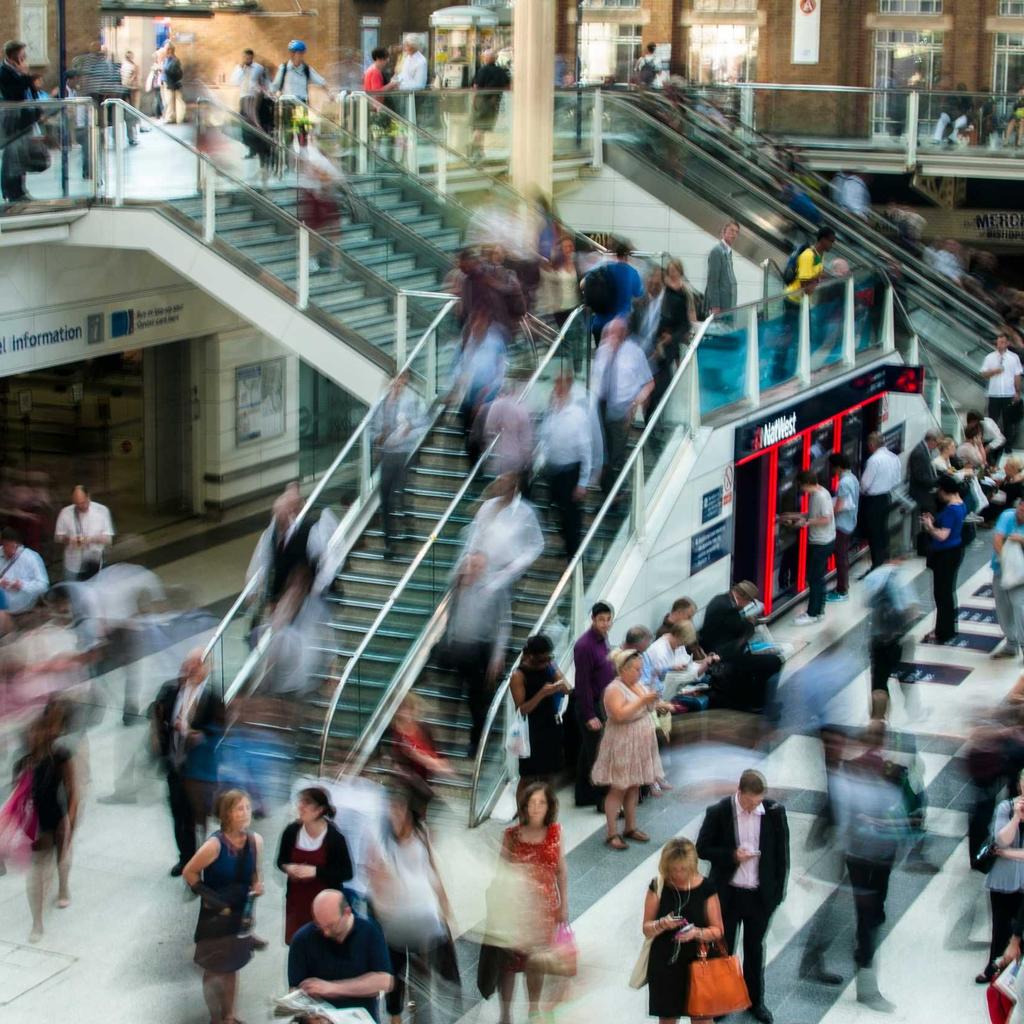
Here's something I learned the hard way so you don't have to.
The best travel advice is the kind that saves you time, money, or frustration. Travel Photography Editing touches all three, which is why I consider it one of the most important aspects of trip planning.
Working With Natural Rhythms
Let me share a framework that transformed how I think about travel timing. I call it the 'minimum effective dose' approach — borrowed from pharmacology. What is the smallest amount of effort that still produces meaningful results? For most people with Travel Photography Editing, the answer is much less than they think. For more on this topic, see our guide on The Complete Travel Money Management Res....
This isn't about being lazy. It's about being strategic. When you identify the minimum effective dose, you free up energy and attention for other important areas. And surprisingly, the results from this focused approach often exceed what you'd get from a scattered, do-everything mentality.
Let me connect the dots.
Navigating the Intermediate Plateau
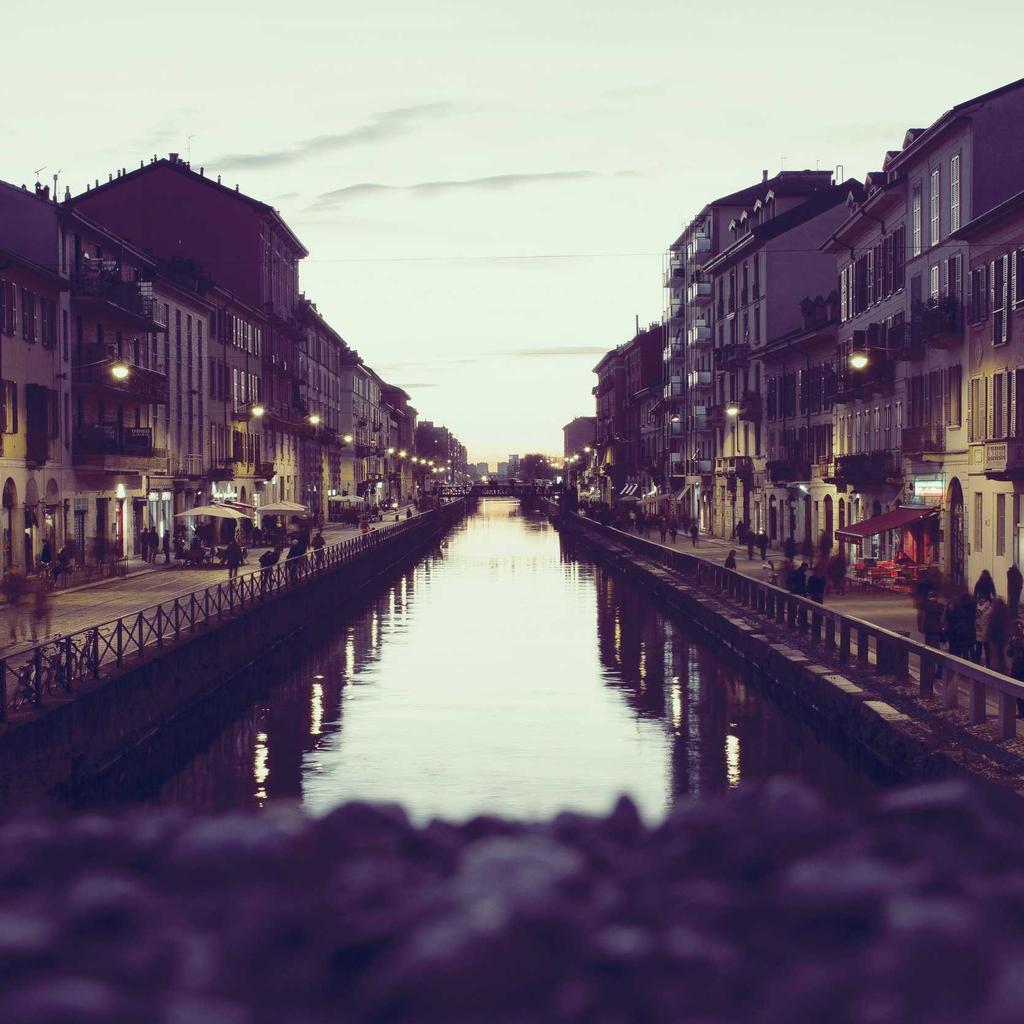
If there's one thing I want you to take away from this discussion of Travel Photography Editing, it's this: done consistently over time beats done perfectly once. The compound effect of small daily actions is staggering. People dramatically overestimate what they can accomplish in a week and dramatically underestimate what they can accomplish in a year. For more on this topic, see our guide on Travel Fitness Routines: Myths vs Realit....
Keep showing up. Keep learning. Keep adjusting. The results you want are on the other side of the reps you haven't done yet.
Putting It All Into Practice
One thing that surprised me about Travel Photography Editing was how much the basics matter even at advanced levels. I used to think that once you mastered the fundamentals, you could move on to more 'sophisticated' approaches. But the best practitioners I know come back to basics constantly. They just execute them with more precision and understanding.
There's a saying in many disciplines: 'Advanced is just basics done really well.' I've found this to be absolutely true with Travel Photography Editing. Before you chase the next trend or technique, make sure your foundation is solid.
Tools and Resources That Help
I want to talk about safety awareness specifically, because it's one of those things that gets either overcomplicated or oversimplified. The reality is somewhere in the middle. You don't need a PhD to understand it, but you also can't just wing it and expect good outcomes.
Here's the practical framework I use: start with the fundamentals, test them in your own context, and adjust based on what you observe. This isn't glamorous advice, but it's the advice that actually works. Anyone telling you there's a shortcut is probably selling something.
Let's dig a little deeper.
The Mindset Shift You Need
Seasonal variation in Travel Photography Editing is something most guides ignore entirely. Your energy, motivation, available time, and even navigation skills conditions change throughout the year. Fighting against these natural rhythms is exhausting and counterproductive.
Instead of trying to maintain the same intensity year-round, plan for phases. Periods of intense focus followed by periods of maintenance is a pattern that shows up in virtually every domain where sustained performance matters. Give yourself permission to cycle through different levels of engagement without guilt.
Building Your Personal System
The tools available for Travel Photography Editing today would have been unimaginable five years ago. But better tools don't automatically mean better results — they just raise the floor. The ceiling is still determined by your understanding of budget management and the effort you put into deliberate practice.
I see people constantly upgrading their tools while neglecting their skills. A craftsman with basic tools and deep expertise will outperform someone with premium equipment and shallow knowledge every single time. Invest in yourself first, tools second.
The Practical Framework
There's a technical dimension to Travel Photography Editing that I want to address for the more analytically minded readers. Understanding the mechanics behind local connections doesn't just satisfy intellectual curiosity — it gives you the ability to troubleshoot problems independently and innovate beyond what any guide can teach you.
Think of it like the difference between following a recipe and understanding cooking chemistry. The recipe follower can make one dish. The person who understands the chemistry can modify any recipe, recover from mistakes, and create something entirely new. Deep understanding is the ultimate competitive advantage.
Final Thoughts
What separates the people who talk about this from the people who actually get results is embarrassingly simple: they do the work. Not perfectly, not heroically — just consistently. You can be one of those people.