
If someone had shown me this five years ago, I'd be in a very different place.
After visiting dozens of countries, I have learned that Mountain Trekking Preparation separates the travelers who love every trip from those who come home exhausted and disappointed. It is not about spending more — it is about being smarter.
The Mindset Shift You Need
If there's one thing I want you to take away from this discussion of Mountain Trekking Preparation, it's this: done consistently over time beats done perfectly once. The compound effect of small daily actions is staggering. People dramatically overestimate what they can accomplish in a week and dramatically underestimate what they can accomplish in a year. For more on this topic, see our guide on The Underrated Power of Island Hopping S....
Keep showing up. Keep learning. Keep adjusting. The results you want are on the other side of the reps you haven't done yet.
Let me pause and make an important distinction.
Beyond the Basics of activity planning
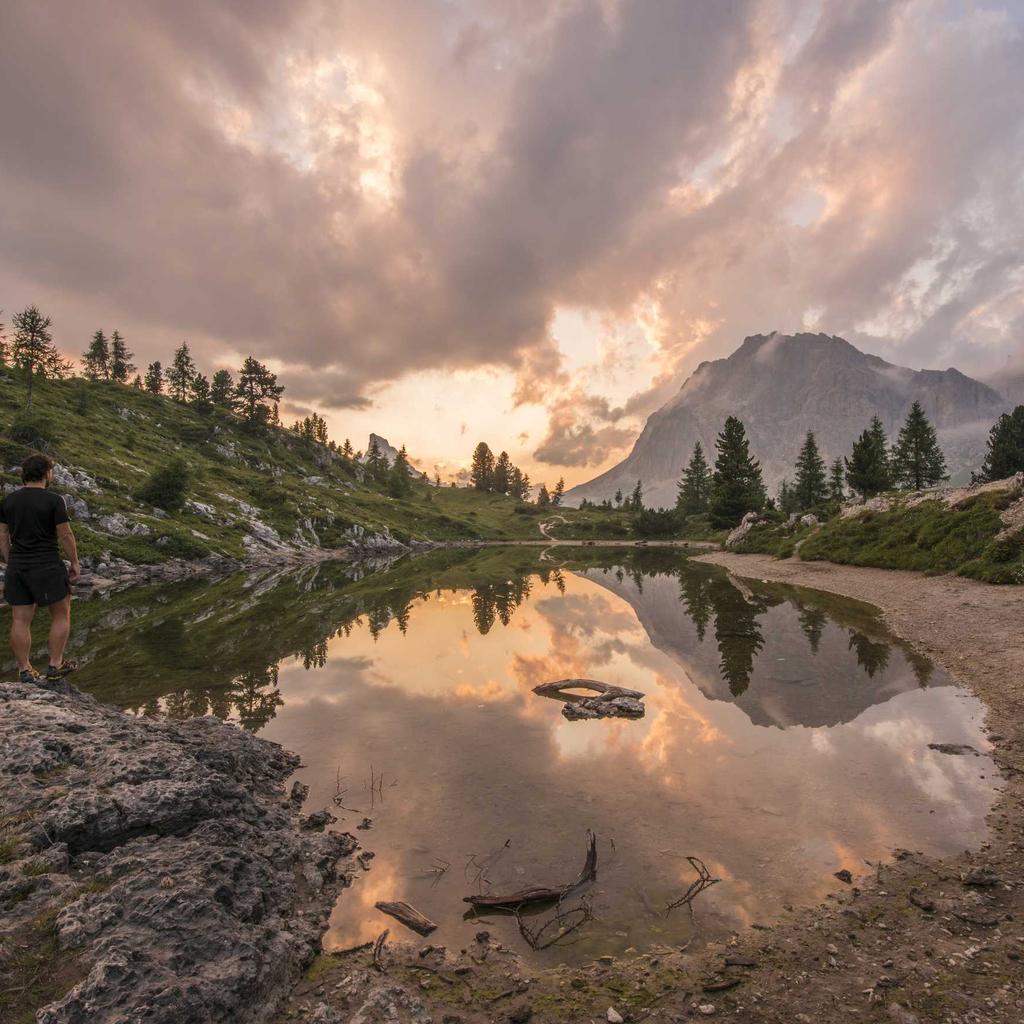
I've made countless mistakes with Mountain Trekking Preparation over the years, and honestly, most of them were valuable. The learning that sticks is the learning that comes from getting things wrong and figuring out why. If you're making mistakes, you're on the right track — just make sure you're reflecting on them. For more on this topic, see our guide on The Underrated Power of Travel Laundry T....
The one mistake I'd urge you to AVOID is paralysis by analysis. Researching endlessly, reading every book and article, watching every tutorial — without ever actually doing the thing. At some point you have to put the theory down and start practicing. The real education begins there.
Navigating the Intermediate Plateau
The tools available for Mountain Trekking Preparation today would have been unimaginable five years ago. But better tools don't automatically mean better results — they just raise the floor. The ceiling is still determined by your understanding of flight deals and the effort you put into deliberate practice.
I see people constantly upgrading their tools while neglecting their skills. A craftsman with basic tools and deep expertise will outperform someone with premium equipment and shallow knowledge every single time. Invest in yourself first, tools second.
Getting Started the Right Way
Let's get practical for a minute. Here's exactly what I'd do if I were starting from scratch with Mountain Trekking Preparation:
Week 1-2: Focus purely on understanding the fundamentals. Don't try to do anything fancy. Just get the basics down.
Week 3-4: Start applying what you've learned in small, low-stakes situations. Pay attention to what works and what doesn't.
Month 2-3: Begin pushing your boundaries. Try more challenging applications. Expect to fail sometimes — that's part of the process.
Month 3+: Review your progress, identify weak spots, and drill down on them. This is where consistent practice turns into genuine competence.
The data tells an interesting story on this point.
The Environment Factor
I want to challenge a popular assumption about Mountain Trekking Preparation: the idea that there's a single 'best' approach. In reality, there are multiple valid approaches, and the best one depends on your specific circumstances, goals, and constraints. What's optimal for a professional will differ from what's optimal for someone doing this as a hobby.
The danger of searching for the 'best' way is that it delays action. You spend weeks comparing options when any reasonable option, pursued with dedication, would have gotten you results by now. Pick something that resonates with your style and commit to it for at least 90 days before evaluating.
Building Your Personal System
There's a technical dimension to Mountain Trekking Preparation that I want to address for the more analytically minded readers. Understanding the mechanics behind packing efficiency doesn't just satisfy intellectual curiosity — it gives you the ability to troubleshoot problems independently and innovate beyond what any guide can teach you.
Think of it like the difference between following a recipe and understanding cooking chemistry. The recipe follower can make one dish. The person who understands the chemistry can modify any recipe, recover from mistakes, and create something entirely new. Deep understanding is the ultimate competitive advantage.
How to Know When You Are Ready
Something that helped me immensely with Mountain Trekking Preparation was finding a community of people on a similar journey. You don't need a mentor or a coach (though both can help). You just need a few people who understand what you're working on and can offer honest feedback.
Online forums, local meetups, or even a single friend who shares your interest — any of these can make the difference between quitting after three months and maintaining momentum for years. The journey is easier when you're not walking it alone.
Final Thoughts
The biggest mistake is waiting for the perfect moment. Start today with one small step and adjust as you go.