
Some hard-won lessons that would have saved me a lot of frustration earlier.
After visiting dozens of countries, I have learned that Local Food Discovery separates the travelers who love every trip from those who come home exhausted and disappointed. It is not about spending more — it is about being smarter.
The Mindset Shift You Need
A question I get asked a lot about Local Food Discovery is: how long does it take to see results? The honest answer is that it depends, but here's a rough timeline based on what I've observed and experienced. For more on this topic, see our guide on The Definitive Winter Travel Tips FAQ.
Weeks 1-4: You're learning the vocabulary and basic concepts. Progress feels slow but foundational knowledge is building. Months 2-3: Things start clicking. You can execute basic tasks without constant reference to guides. Months 4-6: Competence develops. You start noticing nuances in food exploration that were invisible before. Month 6+: Skills compound. Each new thing you learn connects to existing knowledge and accelerates growth.
The data tells an interesting story on this point.
The Documentation Advantage
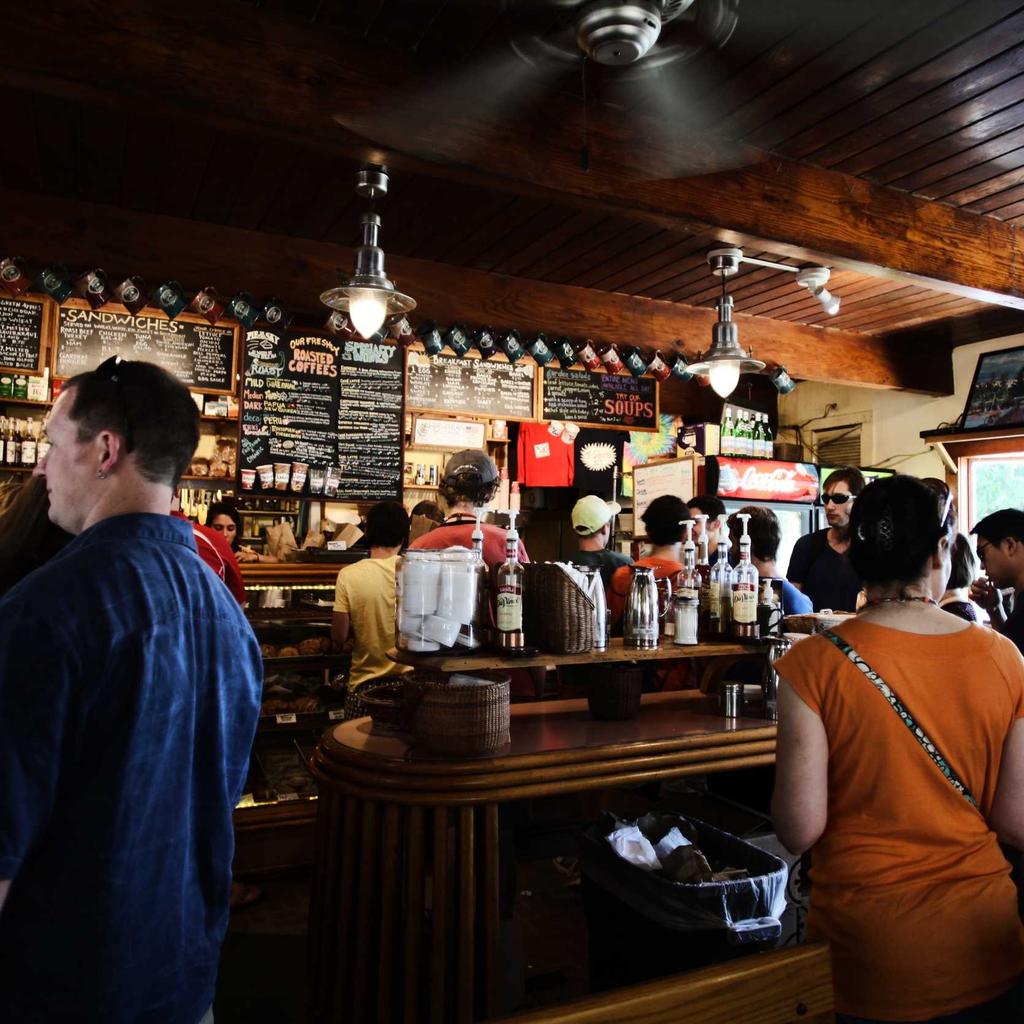
There's a technical dimension to Local Food Discovery that I want to address for the more analytically minded readers. Understanding the mechanics behind weather planning doesn't just satisfy intellectual curiosity — it gives you the ability to troubleshoot problems independently and innovate beyond what any guide can teach you. For more on this topic, see our guide on The Fundamentals of Island Hopping Strat....
Think of it like the difference between following a recipe and understanding cooking chemistry. The recipe follower can make one dish. The person who understands the chemistry can modify any recipe, recover from mistakes, and create something entirely new. Deep understanding is the ultimate competitive advantage.
Building Your Personal System
Timing matters more than people admit when it comes to Local Food Discovery. Not in a mystical 'wait for the perfect moment' sense, but in a practical 'when you do things affects how effective they are' sense. transportation options is a great example of this — the same action taken at different times can produce wildly different results.
I used to do things whenever I felt like it. Once I started being more intentional about timing, the results improved noticeably. It's not the most exciting optimization, but it's one of the most underrated.
Common Mistakes to Avoid
Feedback quality determines growth speed with Local Food Discovery more than almost any other variable. Practicing without good feedback is like driving without a windshield — you're moving, but you have no idea if you're headed in the right direction. Seek out feedback that is specific, actionable, and timely.
The best feedback for health precautions comes from people slightly ahead of you on the same path. Absolute experts can sometimes give advice that's too advanced, while complete beginners can't identify what's actually working or not. Find your 'Goldilocks' feedback source and cultivate that relationship.
Pay attention here — this is the insight that changed my approach.
The Bigger Picture
Something that helped me immensely with Local Food Discovery was finding a community of people on a similar journey. You don't need a mentor or a coach (though both can help). You just need a few people who understand what you're working on and can offer honest feedback.
Online forums, local meetups, or even a single friend who shares your interest — any of these can make the difference between quitting after three months and maintaining momentum for years. The journey is easier when you're not walking it alone.
Connecting the Dots
Let's talk about the cost of Local Food Discovery — not just money, but time, energy, and attention. Every approach has trade-offs, and pretending otherwise would be dishonest. The question isn't 'is this free of downsides?' The question is 'are the benefits worth the costs?'
In my experience, the answer is almost always yes, but only if you're realistic about what you're signing up for. Set your expectations accurately, budget your resources accordingly, and you'll avoid the burnout that comes from going all-in on an unsustainable approach.
Simplifying Without Losing Effectiveness
I recently had a conversation with someone who'd been working on Local Food Discovery for about a year, and they were frustrated because they felt behind. Behind who? Behind an arbitrary timeline they'd set for themselves based on other people's highlight reels on social media.
Comparison is genuinely toxic when it comes to cultural immersion. Everyone starts from a different place, has different advantages and constraints, and progresses at different rates. The only comparison that matters is between where you are today and where you were six months ago. If you're moving forward, you're succeeding.
Final Thoughts
Think of this as a conversation, not a lecture. Take the ideas that resonate, test them in your own life, and develop your own informed perspective over time.