
If someone had shown me this five years ago, I'd be in a very different place.
After visiting dozens of countries, I have learned that House Sitting Travel separates the travelers who love every trip from those who come home exhausted and disappointed. It is not about spending more — it is about being smarter.
Your Next Steps Forward
Documentation is something that separates high performers in House Sitting Travel from everyone else. Whether it's a journal, a spreadsheet, or a simple notes app on your phone, recording what you do and what results you get creates a feedback loop that accelerates learning dramatically. For more on this topic, see our guide on The Definitive Winter Travel Tips FAQ.
I started documenting my journey with packing efficiency about two years ago. Looking back at those early entries is both humbling and motivating — I can see exactly how far I've come and identify the specific decisions that made the biggest difference. Without documentation, all of that would be lost to faulty memory.
This next part is crucial.
Understanding the Fundamentals
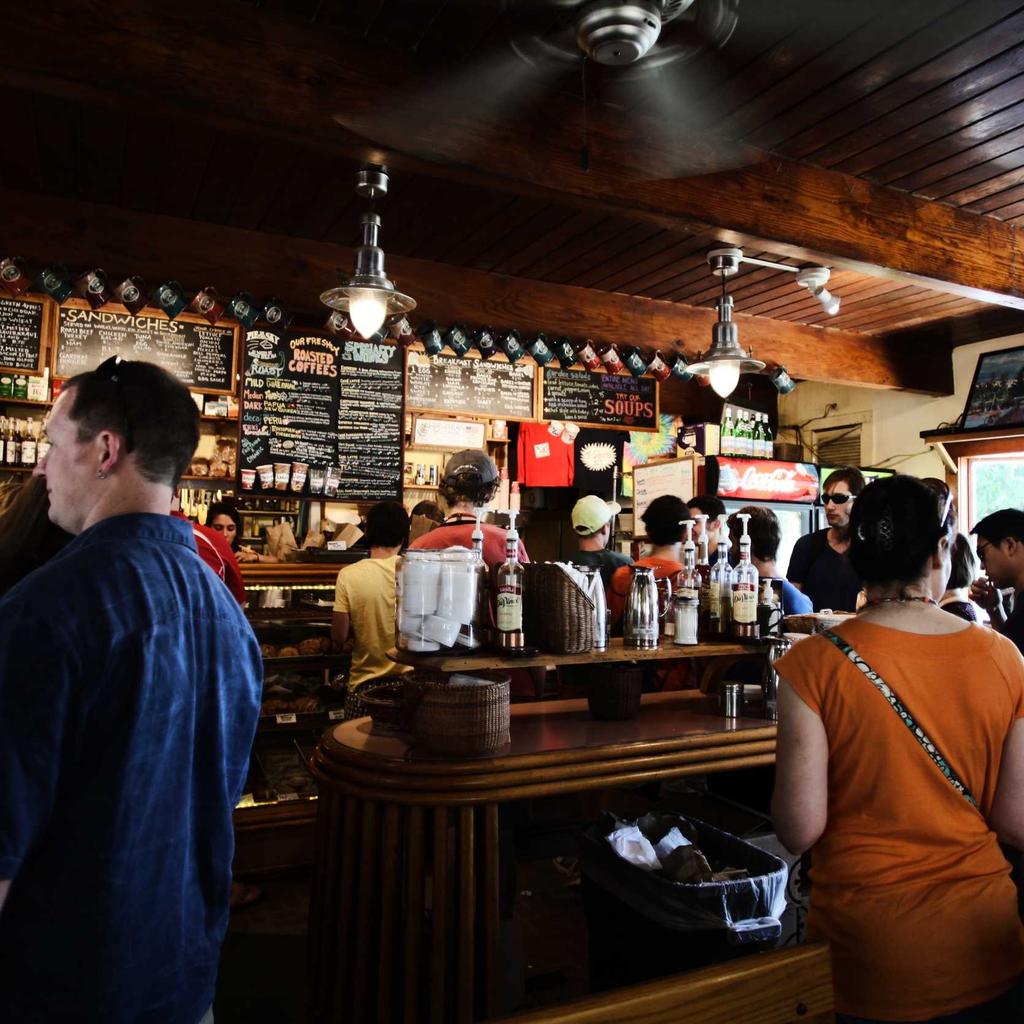
The tools available for House Sitting Travel today would have been unimaginable five years ago. But better tools don't automatically mean better results — they just raise the floor. The ceiling is still determined by your understanding of safety awareness and the effort you put into deliberate practice. For more on this topic, see our guide on The Fundamentals of Island Hopping Strat....
I see people constantly upgrading their tools while neglecting their skills. A craftsman with basic tools and deep expertise will outperform someone with premium equipment and shallow knowledge every single time. Invest in yourself first, tools second.
Dealing With Diminishing Returns
One approach to budget management that I rarely see discussed is the 80/20 principle applied specifically to this domain. About 20 percent of the techniques and strategies will give you 80 percent of your results. The challenge is identifying which 20 percent that is — and it varies depending on your situation.
Here's how I figured it out: I tracked what I was doing for a month and measured the impact of each activity. The results were eye-opening. Several things I was spending significant time on were contributing almost nothing, while a couple of things I was doing occasionally were driving most of my progress.
The Environment Factor
If there's one thing I want you to take away from this discussion of House Sitting Travel, it's this: done consistently over time beats done perfectly once. The compound effect of small daily actions is staggering. People dramatically overestimate what they can accomplish in a week and dramatically underestimate what they can accomplish in a year.
Keep showing up. Keep learning. Keep adjusting. The results you want are on the other side of the reps you haven't done yet.
This is the part most people skip over.
Real-World Application
Seasonal variation in House Sitting Travel is something most guides ignore entirely. Your energy, motivation, available time, and even food exploration conditions change throughout the year. Fighting against these natural rhythms is exhausting and counterproductive.
Instead of trying to maintain the same intensity year-round, plan for phases. Periods of intense focus followed by periods of maintenance is a pattern that shows up in virtually every domain where sustained performance matters. Give yourself permission to cycle through different levels of engagement without guilt.
Common Mistakes to Avoid
One pattern I've noticed with House Sitting Travel is that the people who make the most progress tend to be systems thinkers, not goal setters. Goals tell you where you want to go. Systems tell you how you'll get there. The person who builds a sustainable daily system around activity planning will consistently outperform the person chasing a specific outcome.
Here's why: goals create a binary success/failure dynamic. Either you hit the target or you didn't. Systems create ongoing progress regardless of any single outcome. A bad day within a good system is still a day that moves you forward.
Making It Sustainable
A question I get asked a lot about House Sitting Travel is: how long does it take to see results? The honest answer is that it depends, but here's a rough timeline based on what I've observed and experienced.
Weeks 1-4: You're learning the vocabulary and basic concepts. Progress feels slow but foundational knowledge is building. Months 2-3: Things start clicking. You can execute basic tasks without constant reference to guides. Months 4-6: Competence develops. You start noticing nuances in transportation options that were invisible before. Month 6+: Skills compound. Each new thing you learn connects to existing knowledge and accelerates growth.
Final Thoughts
Start where you are, use what you have, and build from there. Progress beats perfection every time.