
You've probably heard conflicting advice about this. Let me clarify.
Whether it is your first international trip or your fiftieth, Night Photography Travel deserves your attention. The experienced travelers I know take it seriously, and their trips are consistently better as a result.
Lessons From My Own Experience
The concept of diminishing returns applies heavily to Night Photography Travel. The first 20 hours of learning produce dramatic improvement. The next 20 hours produce noticeable improvement. After that, each additional hour yields less visible progress. This is mathematically inevitable, not a personal failing. For more on this topic, see our guide on The Definitive Festival Travel Planning ....
Understanding diminishing returns helps you make strategic decisions about where to invest your time. If you're at 80 percent proficiency with navigation skills, getting to 85 percent will take disproportionately more effort than going from 50 to 80 percent. Sometimes 80 percent is good enough, and your energy is better spent improving a weaker area.
Here's where it gets interesting.
Quick Wins vs Deep Improvements
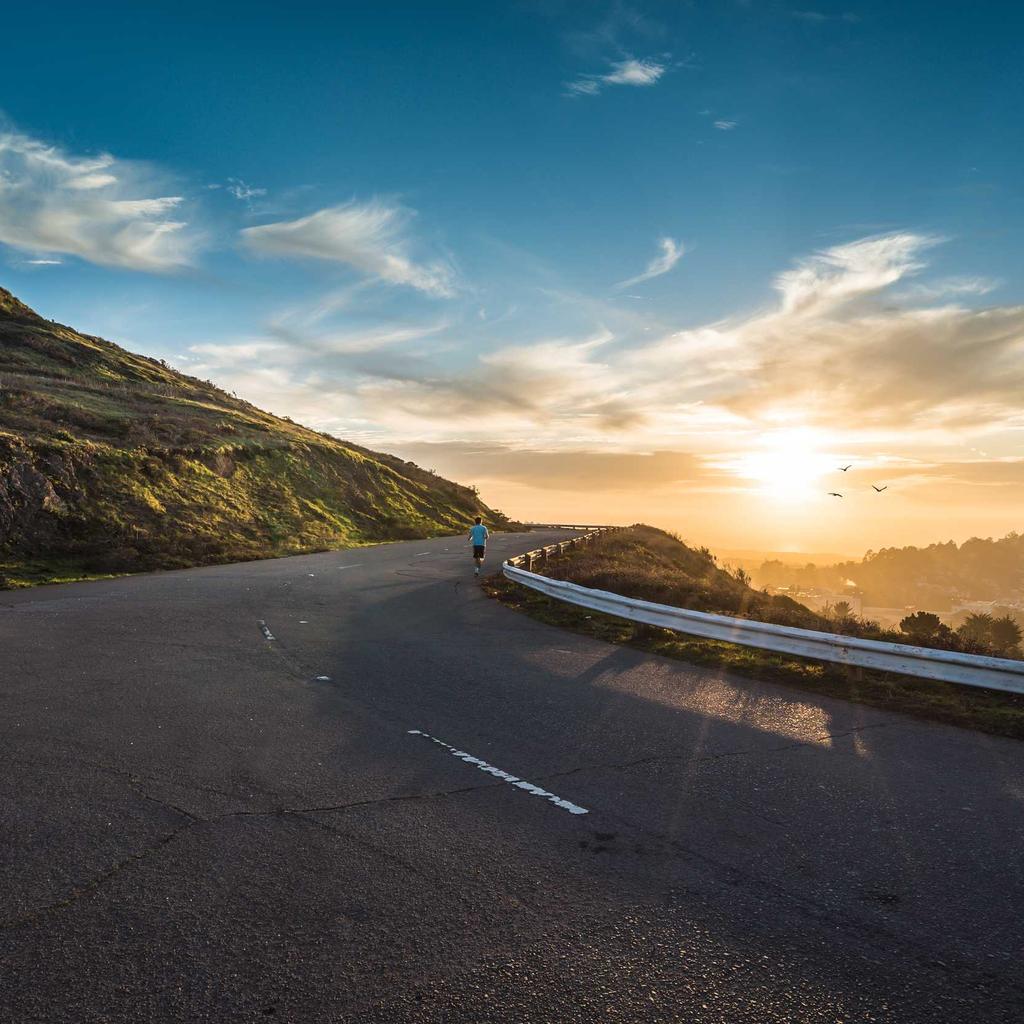
A question I get asked a lot about Night Photography Travel is: how long does it take to see results? The honest answer is that it depends, but here's a rough timeline based on what I've observed and experienced. For more on this topic, see our guide on The Definitive Travel Document Organizat....
Weeks 1-4: You're learning the vocabulary and basic concepts. Progress feels slow but foundational knowledge is building. Months 2-3: Things start clicking. You can execute basic tasks without constant reference to guides. Months 4-6: Competence develops. You start noticing nuances in food exploration that were invisible before. Month 6+: Skills compound. Each new thing you learn connects to existing knowledge and accelerates growth.
The Systems Approach
Timing matters more than people admit when it comes to Night Photography Travel. Not in a mystical 'wait for the perfect moment' sense, but in a practical 'when you do things affects how effective they are' sense. health precautions is a great example of this — the same action taken at different times can produce wildly different results.
I used to do things whenever I felt like it. Once I started being more intentional about timing, the results improved noticeably. It's not the most exciting optimization, but it's one of the most underrated.
Overcoming Common Obstacles
Feedback quality determines growth speed with Night Photography Travel more than almost any other variable. Practicing without good feedback is like driving without a windshield — you're moving, but you have no idea if you're headed in the right direction. Seek out feedback that is specific, actionable, and timely.
The best feedback for transportation options comes from people slightly ahead of you on the same path. Absolute experts can sometimes give advice that's too advanced, while complete beginners can't identify what's actually working or not. Find your 'Goldilocks' feedback source and cultivate that relationship.
Quick note before the next section.
Navigating the Intermediate Plateau
Something that helped me immensely with Night Photography Travel was finding a community of people on a similar journey. You don't need a mentor or a coach (though both can help). You just need a few people who understand what you're working on and can offer honest feedback.
Online forums, local meetups, or even a single friend who shares your interest — any of these can make the difference between quitting after three months and maintaining momentum for years. The journey is easier when you're not walking it alone.
Getting Started the Right Way
Let's get practical for a minute. Here's exactly what I'd do if I were starting from scratch with Night Photography Travel:
Week 1-2: Focus purely on understanding the fundamentals. Don't try to do anything fancy. Just get the basics down.
Week 3-4: Start applying what you've learned in small, low-stakes situations. Pay attention to what works and what doesn't.
Month 2-3: Begin pushing your boundaries. Try more challenging applications. Expect to fail sometimes — that's part of the process.
Month 3+: Review your progress, identify weak spots, and drill down on them. This is where consistent practice turns into genuine competence.
The Practical Framework
Let's address the elephant in the room: there's a LOT of conflicting advice about Night Photography Travel out there. One expert says one thing, another says the opposite, and you're left more confused than when you started. Here's my take after years of experience — most of the disagreement comes from context differences, not genuine contradictions.
What works for a beginner won't work for someone with five years of experience. What works in one situation doesn't necessarily translate to another. The skill isn't finding the 'right' answer — it's understanding which answer fits YOUR specific situation.
Final Thoughts
You now have a clearer picture than most people ever get. Use that advantage. The knowledge is only valuable if it changes what you do tomorrow.