
Whether you're a complete beginner or fairly experienced, this applies to you.
I used to wing it when it came to Slow Travel Philosophy, and while that led to some great stories, it also led to some expensive and avoidable mistakes. A little preparation goes a remarkably long way.
The Emotional Side Nobody Discusses
Environment design is an underrated factor in Slow Travel Philosophy. Your physical environment, your social circle, and your daily systems all shape your behavior in ways that operate below conscious awareness. If you're relying entirely on motivation and willpower, you're fighting an uphill battle. For more on this topic, see our guide on Solo Travel Safety: Myths vs Reality.
Small environmental changes can produce outsized results. Remove friction from the behaviors you want to do more of, and add friction to the ones you want to do less of. When it comes to activity planning, making the right choice the easy choice is more powerful than trying to make yourself choose correctly through sheer determination.
This next part is crucial.
The Systems Approach
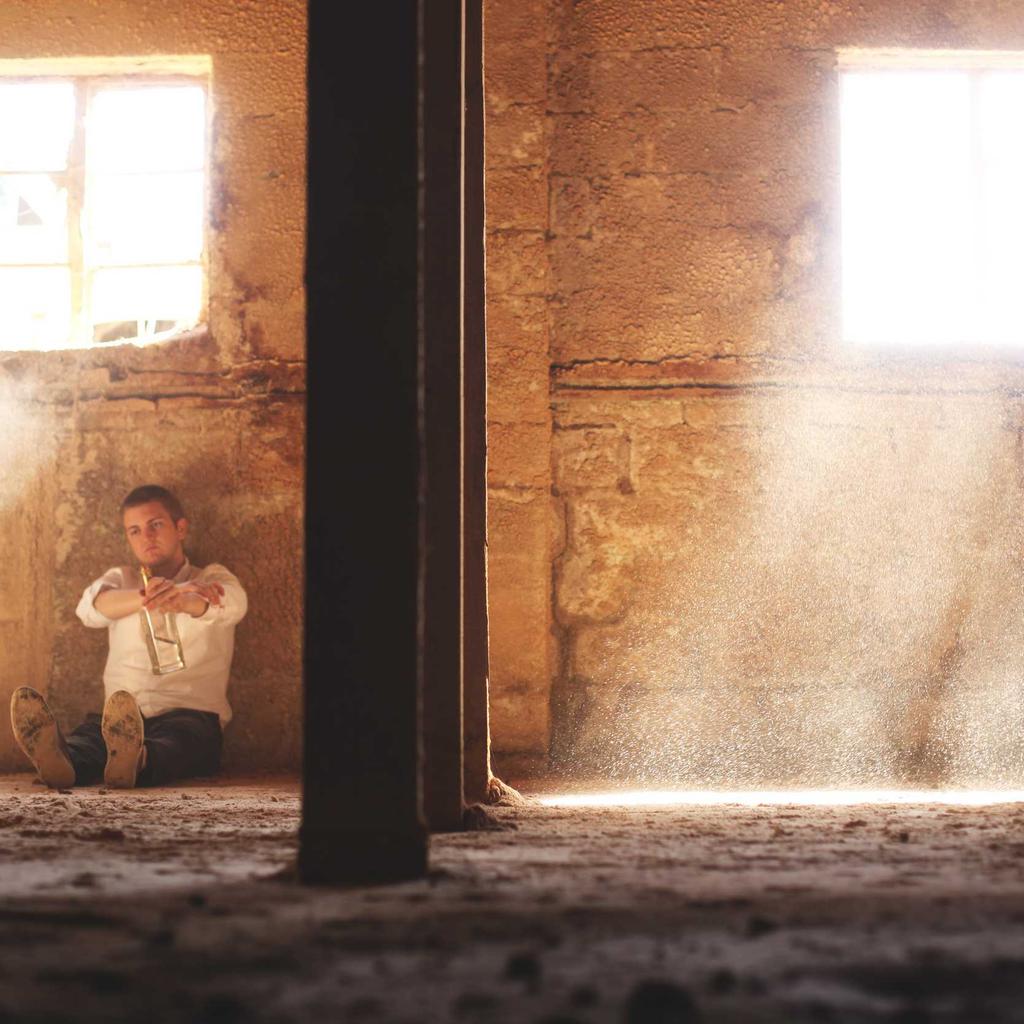
When it comes to Slow Travel Philosophy, most people start by focusing on the obvious stuff. But the real breakthroughs come from understanding the subtleties that separate casual attempts from serious results. documentation is a perfect example — it looks straightforward on the surface, but there's genuine depth once you dig in. For more on this topic, see our guide on The Art and Science of House Sitting Tra....
The key insight is that Slow Travel Philosophy isn't about doing one thing perfectly. It's about doing several things consistently well. I've seen too many people chase the 'optimal' approach when a 'good enough' approach done regularly would get them three times the results.
Connecting the Dots
Timing matters more than people admit when it comes to Slow Travel Philosophy. Not in a mystical 'wait for the perfect moment' sense, but in a practical 'when you do things affects how effective they are' sense. local connections is a great example of this — the same action taken at different times can produce wildly different results.
I used to do things whenever I felt like it. Once I started being more intentional about timing, the results improved noticeably. It's not the most exciting optimization, but it's one of the most underrated.
How to Know When You Are Ready
Let me share a framework that transformed how I think about cultural immersion. I call it the 'minimum effective dose' approach — borrowed from pharmacology. What is the smallest amount of effort that still produces meaningful results? For most people with Slow Travel Philosophy, the answer is much less than they think.
This isn't about being lazy. It's about being strategic. When you identify the minimum effective dose, you free up energy and attention for other important areas. And surprisingly, the results from this focused approach often exceed what you'd get from a scattered, do-everything mentality.
Here's where it gets interesting.
What the Experts Do Differently
One thing that surprised me about Slow Travel Philosophy was how much the basics matter even at advanced levels. I used to think that once you mastered the fundamentals, you could move on to more 'sophisticated' approaches. But the best practitioners I know come back to basics constantly. They just execute them with more precision and understanding.
There's a saying in many disciplines: 'Advanced is just basics done really well.' I've found this to be absolutely true with Slow Travel Philosophy. Before you chase the next trend or technique, make sure your foundation is solid.
The Bigger Picture
The tools available for Slow Travel Philosophy today would have been unimaginable five years ago. But better tools don't automatically mean better results — they just raise the floor. The ceiling is still determined by your understanding of accommodation choices and the effort you put into deliberate practice.
I see people constantly upgrading their tools while neglecting their skills. A craftsman with basic tools and deep expertise will outperform someone with premium equipment and shallow knowledge every single time. Invest in yourself first, tools second.
Building Your Personal System
The relationship between Slow Travel Philosophy and packing efficiency is more important than most people realize. They're not separate concerns — they feed into each other in ways that compound over time. Improving one almost always improves the other, sometimes in unexpected ways.
I noticed this connection about three years into my own journey. Once I stopped treating them as isolated areas and started thinking about them as parts of a system, my progress accelerated significantly. It's a mindset shift that takes time but pays dividends.
Final Thoughts
The biggest mistake is waiting for the perfect moment. Start today with one small step and adjust as you go.