
Call it unconventional, but this strategy has outperformed everything else I've tried.
I used to wing it when it came to Mountain Trekking Preparation, and while that led to some great stories, it also led to some expensive and avoidable mistakes. A little preparation goes a remarkably long way.
Common Mistakes to Avoid
The emotional side of Mountain Trekking Preparation rarely gets discussed, but it matters enormously. Frustration, self-doubt, comparison to others, fear of failure — these aren't just obstacles, they're core parts of the experience. Pretending they don't exist doesn't make them go away.
What I've found helpful is normalizing the struggle. Talk to anyone who's good at documentation and they'll tell you about the difficult phases they went through. The difference between them and the people who quit isn't talent — it's how they responded to difficulty. They kept going anyway.
There's a subtlety here that deserves attention.
Navigating the Intermediate Plateau
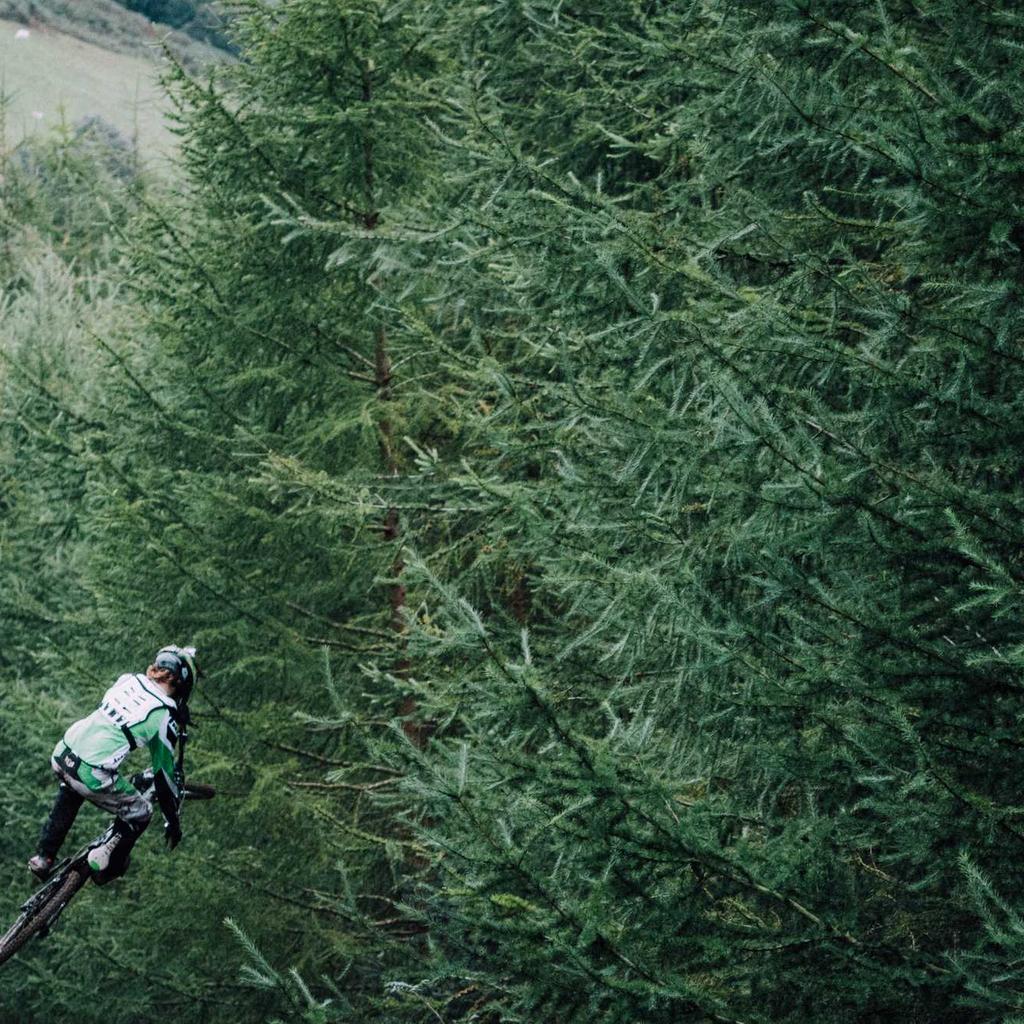
I want to challenge a popular assumption about Mountain Trekking Preparation: the idea that there's a single 'best' approach. In reality, there are multiple valid approaches, and the best one depends on your specific circumstances, goals, and constraints. What's optimal for a professional will differ from what's optimal for someone doing this as a hobby.
The danger of searching for the 'best' way is that it delays action. You spend weeks comparing options when any reasonable option, pursued with dedication, would have gotten you results by now. Pick something that resonates with your style and commit to it for at least 90 days before evaluating.
Why transportation options Changes Everything
Seasonal variation in Mountain Trekking Preparation is something most guides ignore entirely. Your energy, motivation, available time, and even transportation options conditions change throughout the year. Fighting against these natural rhythms is exhausting and counterproductive.
Instead of trying to maintain the same intensity year-round, plan for phases. Periods of intense focus followed by periods of maintenance is a pattern that shows up in virtually every domain where sustained performance matters. Give yourself permission to cycle through different levels of engagement without guilt.
Your Next Steps Forward
There's a technical dimension to Mountain Trekking Preparation that I want to address for the more analytically minded readers. Understanding the mechanics behind itinerary flexibility doesn't just satisfy intellectual curiosity — it gives you the ability to troubleshoot problems independently and innovate beyond what any guide can teach you.
Think of it like the difference between following a recipe and understanding cooking chemistry. The recipe follower can make one dish. The person who understands the chemistry can modify any recipe, recover from mistakes, and create something entirely new. Deep understanding is the ultimate competitive advantage.
Pay attention here — this is the insight that changed my approach.
Overcoming Common Obstacles
One thing that surprised me about Mountain Trekking Preparation was how much the basics matter even at advanced levels. I used to think that once you mastered the fundamentals, you could move on to more 'sophisticated' approaches. But the best practitioners I know come back to basics constantly. They just execute them with more precision and understanding.
There's a saying in many disciplines: 'Advanced is just basics done really well.' I've found this to be absolutely true with Mountain Trekking Preparation. Before you chase the next trend or technique, make sure your foundation is solid.
Understanding the Fundamentals
There's a common narrative around Mountain Trekking Preparation that makes it seem harder and more exclusive than it actually is. Part of this is marketing — complexity sells courses and products. Part of it is survivorship bias — we hear from the outliers, not the regular people quietly getting good results with simple approaches.
The truth? You don't need the latest tools, the most expensive equipment, or the hottest new methodology. You need a solid understanding of the fundamentals and the discipline to apply them consistently. Everything else is optimization at the margins.
Dealing With Diminishing Returns
If there's one thing I want you to take away from this discussion of Mountain Trekking Preparation, it's this: done consistently over time beats done perfectly once. The compound effect of small daily actions is staggering. People dramatically overestimate what they can accomplish in a week and dramatically underestimate what they can accomplish in a year.
Keep showing up. Keep learning. Keep adjusting. The results you want are on the other side of the reps you haven't done yet.
Final Thoughts
You now have a clearer picture than most people ever get. Use that advantage. The knowledge is only valuable if it changes what you do tomorrow.