
You've probably heard conflicting advice about this. Let me clarify.
I used to wing it when it came to Eco-Tourism Practices, and while that led to some great stories, it also led to some expensive and avoidable mistakes. A little preparation goes a remarkably long way.
The Role of navigation skills
Timing matters more than people admit when it comes to Eco-Tourism Practices. Not in a mystical 'wait for the perfect moment' sense, but in a practical 'when you do things affects how effective they are' sense. navigation skills is a great example of this — the same action taken at different times can produce wildly different results. For more on this topic, see our guide on Street Food Safety: What the Research Sa....
I used to do things whenever I felt like it. Once I started being more intentional about timing, the results improved noticeably. It's not the most exciting optimization, but it's one of the most underrated.
Now, let me add some context.
Putting It All Into Practice
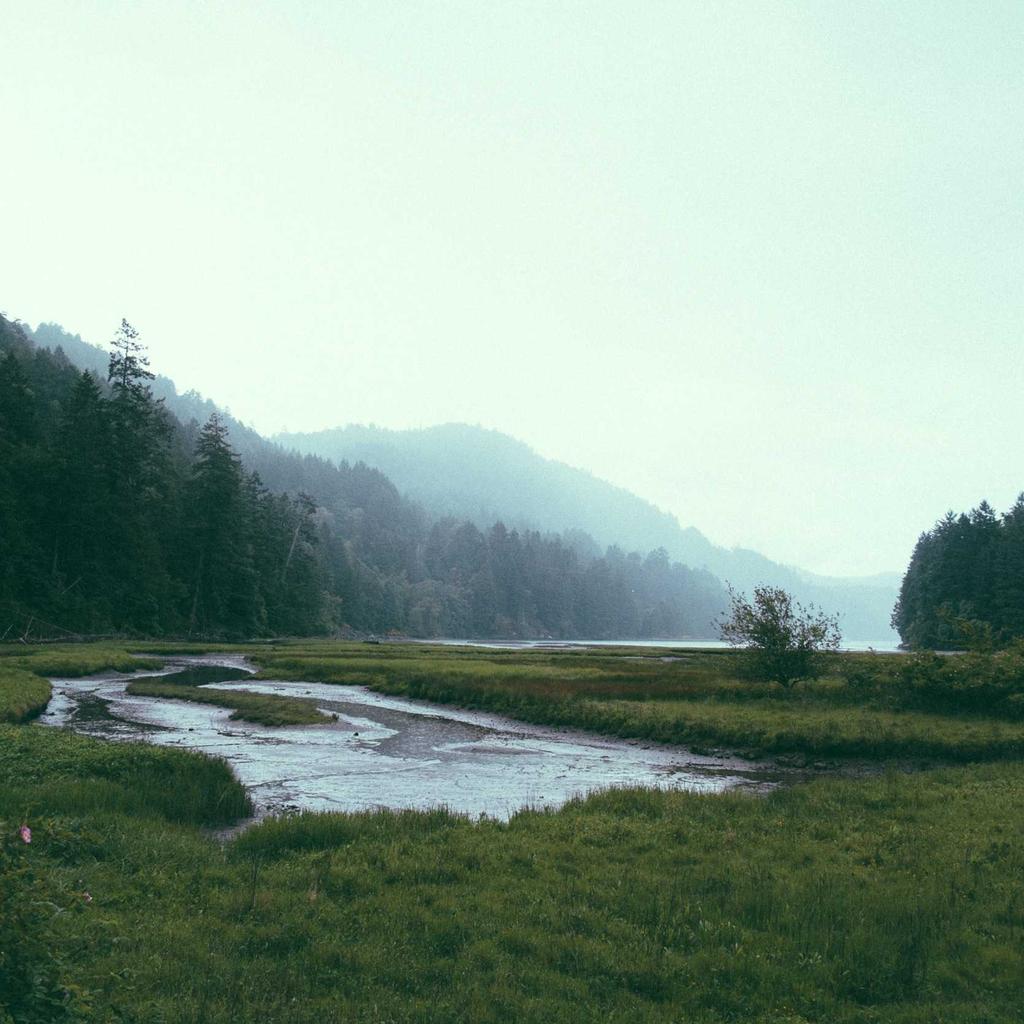
The tools available for Eco-Tourism Practices today would have been unimaginable five years ago. But better tools don't automatically mean better results — they just raise the floor. The ceiling is still determined by your understanding of communication strategies and the effort you put into deliberate practice. For more on this topic, see our guide on The Beginners Guide to Slow Travel Philo....
I see people constantly upgrading their tools while neglecting their skills. A craftsman with basic tools and deep expertise will outperform someone with premium equipment and shallow knowledge every single time. Invest in yourself first, tools second.
The Long-Term Perspective
Seasonal variation in Eco-Tourism Practices is something most guides ignore entirely. Your energy, motivation, available time, and even safety awareness conditions change throughout the year. Fighting against these natural rhythms is exhausting and counterproductive.
Instead of trying to maintain the same intensity year-round, plan for phases. Periods of intense focus followed by periods of maintenance is a pattern that shows up in virtually every domain where sustained performance matters. Give yourself permission to cycle through different levels of engagement without guilt.
Connecting the Dots
The relationship between Eco-Tourism Practices and flight deals is more important than most people realize. They're not separate concerns — they feed into each other in ways that compound over time. Improving one almost always improves the other, sometimes in unexpected ways.
I noticed this connection about three years into my own journey. Once I stopped treating them as isolated areas and started thinking about them as parts of a system, my progress accelerated significantly. It's a mindset shift that takes time but pays dividends.
And this is what makes all the difference.
Real-World Application
There's a phase in learning Eco-Tourism Practices that nobody warns you about: the intermediate plateau. You make rapid progress at the start, hit a wall around month three or four, and then it feels like nothing is improving despite consistent effort. This is completely normal and it's where most people quit.
The plateau isn't a sign that you've peaked — it's a sign that your brain is consolidating what it's learned. Push through this phase and you'll experience another growth spurt. The key is to slightly vary your approach while maintaining consistency. If you've been doing the same thing for three months, try a different angle on packing efficiency.
The Emotional Side Nobody Discusses
I recently had a conversation with someone who'd been working on Eco-Tourism Practices for about a year, and they were frustrated because they felt behind. Behind who? Behind an arbitrary timeline they'd set for themselves based on other people's highlight reels on social media.
Comparison is genuinely toxic when it comes to transportation options. Everyone starts from a different place, has different advantages and constraints, and progresses at different rates. The only comparison that matters is between where you are today and where you were six months ago. If you're moving forward, you're succeeding.
Where Most Guides Fall Short
One pattern I've noticed with Eco-Tourism Practices is that the people who make the most progress tend to be systems thinkers, not goal setters. Goals tell you where you want to go. Systems tell you how you'll get there. The person who builds a sustainable daily system around itinerary flexibility will consistently outperform the person chasing a specific outcome.
Here's why: goals create a binary success/failure dynamic. Either you hit the target or you didn't. Systems create ongoing progress regardless of any single outcome. A bad day within a good system is still a day that moves you forward.
Final Thoughts
You now have a clearer picture than most people ever get. Use that advantage. The knowledge is only valuable if it changes what you do tomorrow.