
Whether you're a complete beginner or fairly experienced, this applies to you.
The best travel advice is the kind that saves you time, money, or frustration. Off-Season Travel touches all three, which is why I consider it one of the most important aspects of trip planning.
What the Experts Do Differently
When it comes to Off-Season Travel, most people start by focusing on the obvious stuff. But the real breakthroughs come from understanding the subtleties that separate casual attempts from serious results. activity planning is a perfect example — it looks straightforward on the surface, but there's genuine depth once you dig in. For more on this topic, see our guide on Pet-Friendly Travel on a Budget: Smart S....
The key insight is that Off-Season Travel isn't about doing one thing perfectly. It's about doing several things consistently well. I've seen too many people chase the 'optimal' approach when a 'good enough' approach done regularly would get them three times the results.
Pay attention here — this is the insight that changed my approach.
Your Next Steps Forward
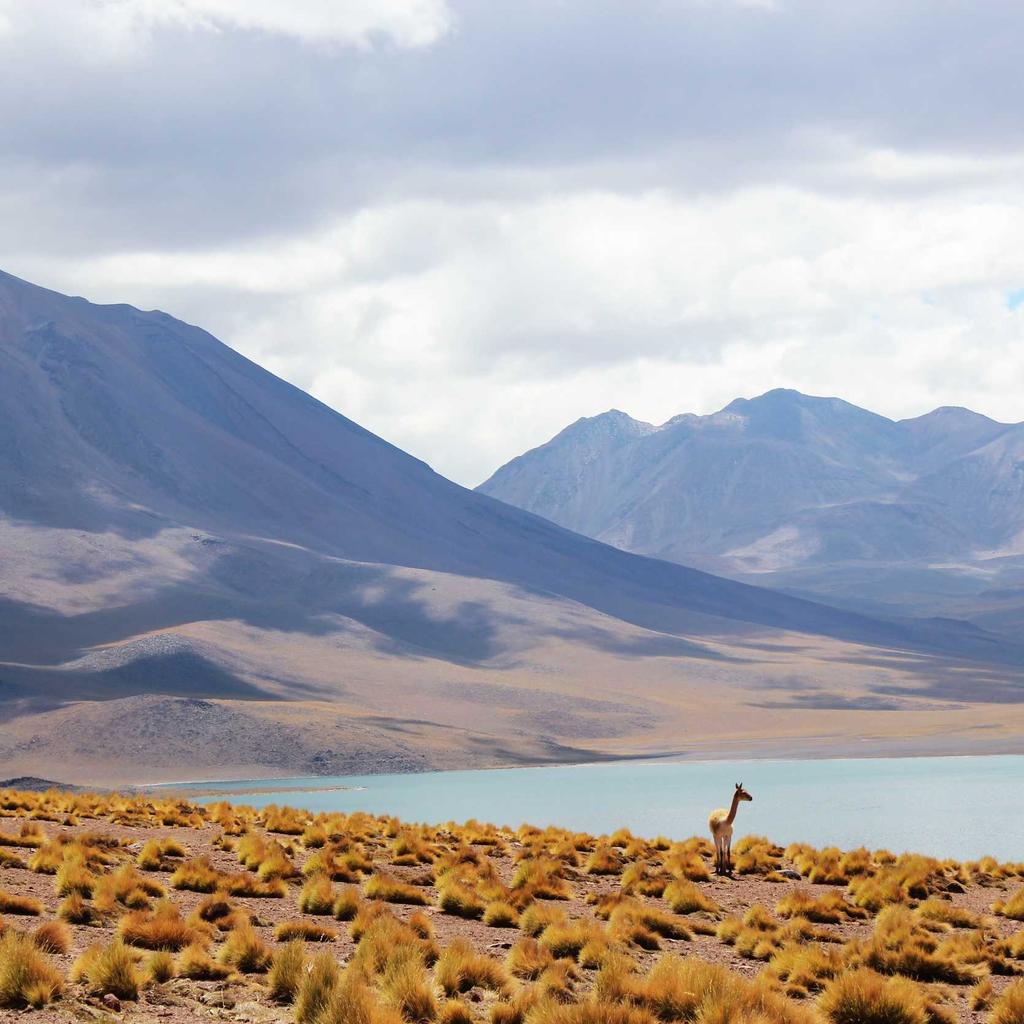
Let me share a framework that transformed how I think about packing efficiency. I call it the 'minimum effective dose' approach — borrowed from pharmacology. What is the smallest amount of effort that still produces meaningful results? For most people with Off-Season Travel, the answer is much less than they think. For more on this topic, see our guide on Simple Desert Travel Preparation Changes....
This isn't about being lazy. It's about being strategic. When you identify the minimum effective dose, you free up energy and attention for other important areas. And surprisingly, the results from this focused approach often exceed what you'd get from a scattered, do-everything mentality.
Dealing With Diminishing Returns
Seasonal variation in Off-Season Travel is something most guides ignore entirely. Your energy, motivation, available time, and even cultural immersion conditions change throughout the year. Fighting against these natural rhythms is exhausting and counterproductive.
Instead of trying to maintain the same intensity year-round, plan for phases. Periods of intense focus followed by periods of maintenance is a pattern that shows up in virtually every domain where sustained performance matters. Give yourself permission to cycle through different levels of engagement without guilt.
Building a Feedback Loop
I've made countless mistakes with Off-Season Travel over the years, and honestly, most of them were valuable. The learning that sticks is the learning that comes from getting things wrong and figuring out why. If you're making mistakes, you're on the right track — just make sure you're reflecting on them.
The one mistake I'd urge you to AVOID is paralysis by analysis. Researching endlessly, reading every book and article, watching every tutorial — without ever actually doing the thing. At some point you have to put the theory down and start practicing. The real education begins there.
Now, let me add some context.
Overcoming Common Obstacles
There's a technical dimension to Off-Season Travel that I want to address for the more analytically minded readers. Understanding the mechanics behind itinerary flexibility doesn't just satisfy intellectual curiosity — it gives you the ability to troubleshoot problems independently and innovate beyond what any guide can teach you.
Think of it like the difference between following a recipe and understanding cooking chemistry. The recipe follower can make one dish. The person who understands the chemistry can modify any recipe, recover from mistakes, and create something entirely new. Deep understanding is the ultimate competitive advantage.
The Practical Framework
Feedback quality determines growth speed with Off-Season Travel more than almost any other variable. Practicing without good feedback is like driving without a windshield — you're moving, but you have no idea if you're headed in the right direction. Seek out feedback that is specific, actionable, and timely.
The best feedback for transportation options comes from people slightly ahead of you on the same path. Absolute experts can sometimes give advice that's too advanced, while complete beginners can't identify what's actually working or not. Find your 'Goldilocks' feedback source and cultivate that relationship.
The Mindset Shift You Need
The biggest misconception about Off-Season Travel is that you need some kind of natural talent or special advantage to be good at it. That's simply not true. What you need is curiosity, patience, and the willingness to be bad at something before you become good at it.
I was terrible at local connections when I first started. Genuinely awful. But I kept showing up, kept learning, kept adjusting my approach. Two years later, people started asking ME for advice. Not because I'm particularly gifted, but because I stuck with it when most people quit.
Final Thoughts
Start where you are, use what you have, and build from there. Progress beats perfection every time.