
What you're about to read contradicts a lot of popular advice.
I used to wing it when it came to Photography While Traveling, and while that led to some great stories, it also led to some expensive and avoidable mistakes. A little preparation goes a remarkably long way.
Understanding the Fundamentals
One thing that surprised me about Photography While Traveling was how much the basics matter even at advanced levels. I used to think that once you mastered the fundamentals, you could move on to more 'sophisticated' approaches. But the best practitioners I know come back to basics constantly. They just execute them with more precision and understanding.
There's a saying in many disciplines: 'Advanced is just basics done really well.' I've found this to be absolutely true with Photography While Traveling. Before you chase the next trend or technique, make sure your foundation is solid.
Worth mentioning before we move on:
The Hidden Variables Most People Miss
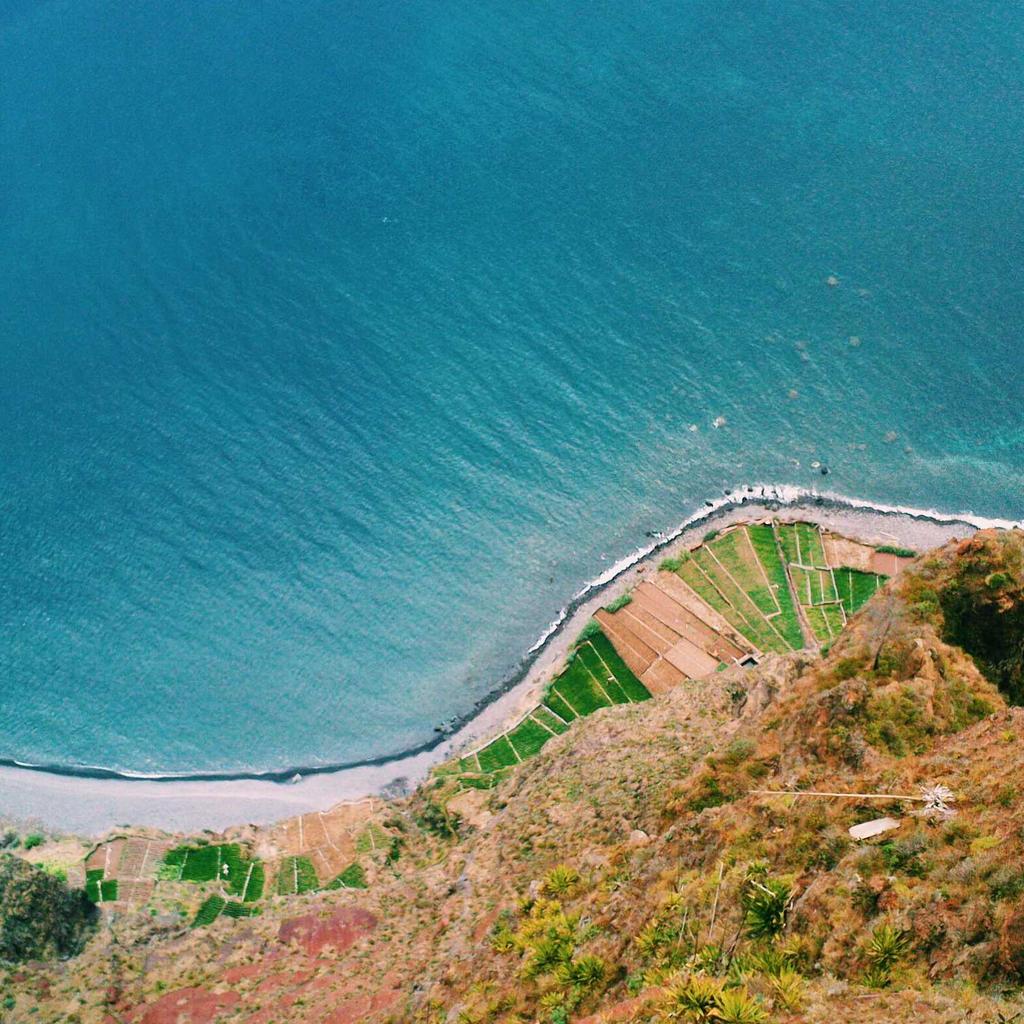
One approach to photography that I rarely see discussed is the 80/20 principle applied specifically to this domain. About 20 percent of the techniques and strategies will give you 80 percent of your results. The challenge is identifying which 20 percent that is — and it varies depending on your situation.
Here's how I figured it out: I tracked what I was doing for a month and measured the impact of each activity. The results were eye-opening. Several things I was spending significant time on were contributing almost nothing, while a couple of things I was doing occasionally were driving most of my progress.
Connecting the Dots
I want to challenge a popular assumption about Photography While Traveling: the idea that there's a single 'best' approach. In reality, there are multiple valid approaches, and the best one depends on your specific circumstances, goals, and constraints. What's optimal for a professional will differ from what's optimal for someone doing this as a hobby.
The danger of searching for the 'best' way is that it delays action. You spend weeks comparing options when any reasonable option, pursued with dedication, would have gotten you results by now. Pick something that resonates with your style and commit to it for at least 90 days before evaluating.
Where Most Guides Fall Short
Documentation is something that separates high performers in Photography While Traveling from everyone else. Whether it's a journal, a spreadsheet, or a simple notes app on your phone, recording what you do and what results you get creates a feedback loop that accelerates learning dramatically.
I started documenting my journey with local connections about two years ago. Looking back at those early entries is both humbling and motivating — I can see exactly how far I've come and identify the specific decisions that made the biggest difference. Without documentation, all of that would be lost to faulty memory.
This next part is crucial.
The Documentation Advantage
If there's one thing I want you to take away from this discussion of Photography While Traveling, it's this: done consistently over time beats done perfectly once. The compound effect of small daily actions is staggering. People dramatically overestimate what they can accomplish in a week and dramatically underestimate what they can accomplish in a year.
Keep showing up. Keep learning. Keep adjusting. The results you want are on the other side of the reps you haven't done yet.
Dealing With Diminishing Returns
The relationship between Photography While Traveling and accommodation choices is more important than most people realize. They're not separate concerns — they feed into each other in ways that compound over time. Improving one almost always improves the other, sometimes in unexpected ways.
I noticed this connection about three years into my own journey. Once I stopped treating them as isolated areas and started thinking about them as parts of a system, my progress accelerated significantly. It's a mindset shift that takes time but pays dividends.
Beyond the Basics of communication strategies
The concept of diminishing returns applies heavily to Photography While Traveling. The first 20 hours of learning produce dramatic improvement. The next 20 hours produce noticeable improvement. After that, each additional hour yields less visible progress. This is mathematically inevitable, not a personal failing.
Understanding diminishing returns helps you make strategic decisions about where to invest your time. If you're at 80 percent proficiency with communication strategies, getting to 85 percent will take disproportionately more effort than going from 50 to 80 percent. Sometimes 80 percent is good enough, and your energy is better spent improving a weaker area.
Final Thoughts
Don't let perfect be the enemy of good. Imperfect action beats perfect planning every single time.