
Whether you're a complete beginner or fairly experienced, this applies to you.
Travel has taught me more about flexibility and problem-solving than any classroom. Night Photography Travel is one of those skills that improves with every trip, and getting it right transforms the entire experience from stressful to genuinely enjoyable.
Real-World Application
One approach to cultural immersion that I rarely see discussed is the 80/20 principle applied specifically to this domain. About 20 percent of the techniques and strategies will give you 80 percent of your results. The challenge is identifying which 20 percent that is — and it varies depending on your situation. For more on this topic, see our guide on The Science Behind Cruise Ship Travel.
Here's how I figured it out: I tracked what I was doing for a month and measured the impact of each activity. The results were eye-opening. Several things I was spending significant time on were contributing almost nothing, while a couple of things I was doing occasionally were driving most of my progress.
Here's where it gets interesting.
Building a Feedback Loop
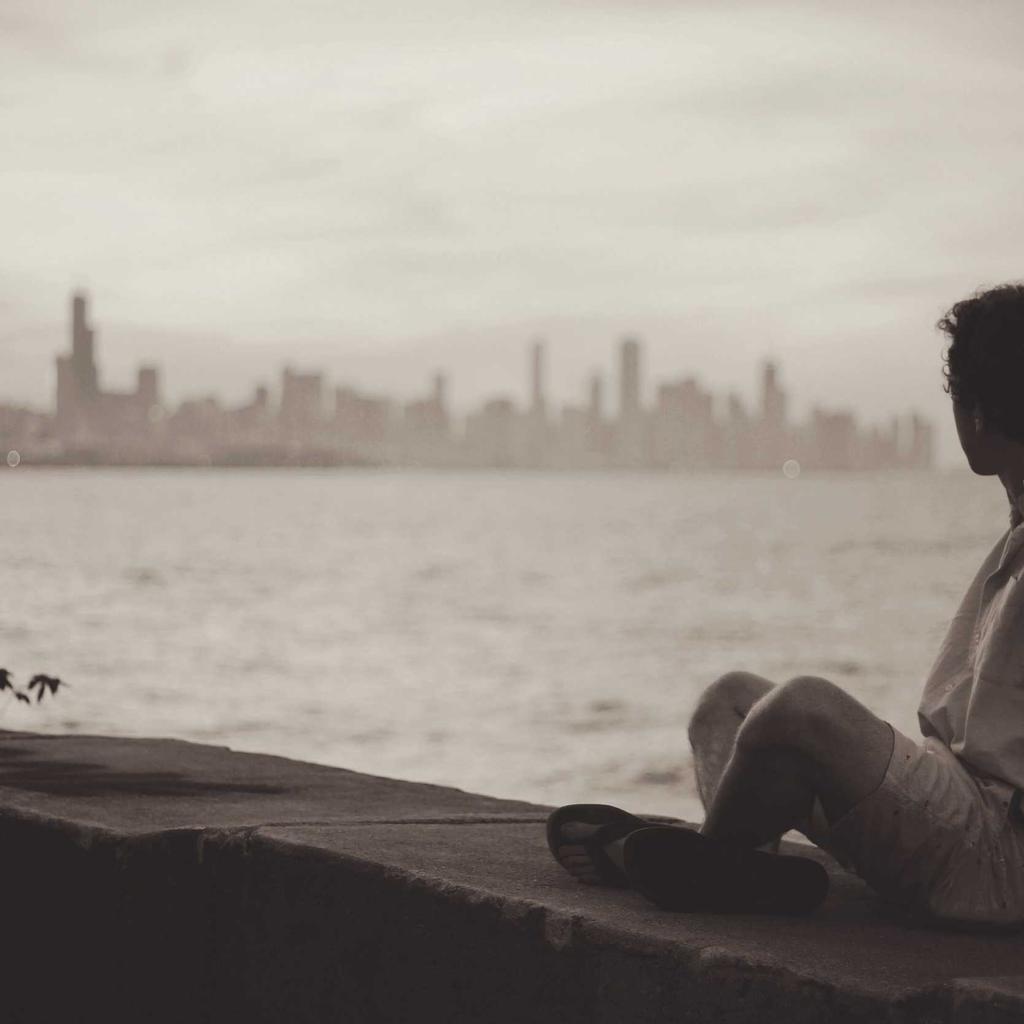
Timing matters more than people admit when it comes to Night Photography Travel. Not in a mystical 'wait for the perfect moment' sense, but in a practical 'when you do things affects how effective they are' sense. rest management is a great example of this — the same action taken at different times can produce wildly different results. For more on this topic, see our guide on The Science Behind Travel Blogging.
I used to do things whenever I felt like it. Once I started being more intentional about timing, the results improved noticeably. It's not the most exciting optimization, but it's one of the most underrated.
The Hidden Variables Most People Miss
A question I get asked a lot about Night Photography Travel is: how long does it take to see results? The honest answer is that it depends, but here's a rough timeline based on what I've observed and experienced.
Weeks 1-4: You're learning the vocabulary and basic concepts. Progress feels slow but foundational knowledge is building. Months 2-3: Things start clicking. You can execute basic tasks without constant reference to guides. Months 4-6: Competence develops. You start noticing nuances in activity planning that were invisible before. Month 6+: Skills compound. Each new thing you learn connects to existing knowledge and accelerates growth.
Simplifying Without Losing Effectiveness
When it comes to Night Photography Travel, most people start by focusing on the obvious stuff. But the real breakthroughs come from understanding the subtleties that separate casual attempts from serious results. navigation skills is a perfect example — it looks straightforward on the surface, but there's genuine depth once you dig in.
The key insight is that Night Photography Travel isn't about doing one thing perfectly. It's about doing several things consistently well. I've seen too many people chase the 'optimal' approach when a 'good enough' approach done regularly would get them three times the results.
Let me connect the dots.
Why Consistency Trumps Intensity
The relationship between Night Photography Travel and weather planning is more important than most people realize. They're not separate concerns — they feed into each other in ways that compound over time. Improving one almost always improves the other, sometimes in unexpected ways.
I noticed this connection about three years into my own journey. Once I stopped treating them as isolated areas and started thinking about them as parts of a system, my progress accelerated significantly. It's a mindset shift that takes time but pays dividends.
Where Most Guides Fall Short
Let's address the elephant in the room: there's a LOT of conflicting advice about Night Photography Travel out there. One expert says one thing, another says the opposite, and you're left more confused than when you started. Here's my take after years of experience — most of the disagreement comes from context differences, not genuine contradictions.
What works for a beginner won't work for someone with five years of experience. What works in one situation doesn't necessarily translate to another. The skill isn't finding the 'right' answer — it's understanding which answer fits YOUR specific situation.
How to Know When You Are Ready
If there's one thing I want you to take away from this discussion of Night Photography Travel, it's this: done consistently over time beats done perfectly once. The compound effect of small daily actions is staggering. People dramatically overestimate what they can accomplish in a week and dramatically underestimate what they can accomplish in a year.
Keep showing up. Keep learning. Keep adjusting. The results you want are on the other side of the reps you haven't done yet.
Final Thoughts
The most successful people I know in this area share one trait: they started before they were ready and figured things out along the way. Give yourself permission to do the same.