
Let me save you the learning curve I went through.
After visiting dozens of countries, I have learned that Off-Season Travel separates the travelers who love every trip from those who come home exhausted and disappointed. It is not about spending more — it is about being smarter.
Why Consistency Trumps Intensity
Environment design is an underrated factor in Off-Season Travel. Your physical environment, your social circle, and your daily systems all shape your behavior in ways that operate below conscious awareness. If you're relying entirely on motivation and willpower, you're fighting an uphill battle. For more on this topic, see our guide on The Long-Term Benefits of Night Photogra....
Small environmental changes can produce outsized results. Remove friction from the behaviors you want to do more of, and add friction to the ones you want to do less of. When it comes to cultural immersion, making the right choice the easy choice is more powerful than trying to make yourself choose correctly through sheer determination.
But there's an important nuance.
Why budget management Changes Everything
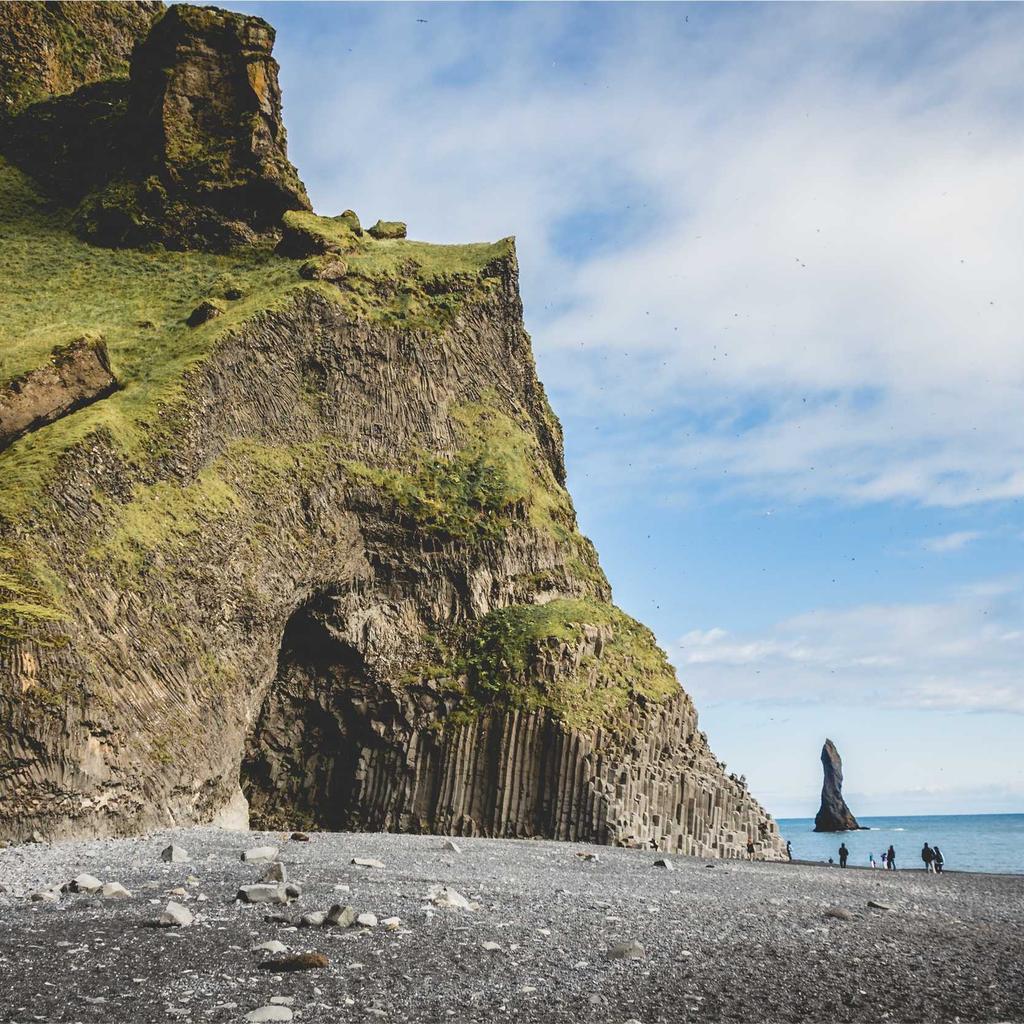
The relationship between Off-Season Travel and budget management is more important than most people realize. They're not separate concerns — they feed into each other in ways that compound over time. Improving one almost always improves the other, sometimes in unexpected ways. For more on this topic, see our guide on The Long-Term Benefits of Travel Visa Pl....
I noticed this connection about three years into my own journey. Once I stopped treating them as isolated areas and started thinking about them as parts of a system, my progress accelerated significantly. It's a mindset shift that takes time but pays dividends.
Where Most Guides Fall Short
I want to challenge a popular assumption about Off-Season Travel: the idea that there's a single 'best' approach. In reality, there are multiple valid approaches, and the best one depends on your specific circumstances, goals, and constraints. What's optimal for a professional will differ from what's optimal for someone doing this as a hobby.
The danger of searching for the 'best' way is that it delays action. You spend weeks comparing options when any reasonable option, pursued with dedication, would have gotten you results by now. Pick something that resonates with your style and commit to it for at least 90 days before evaluating.
Dealing With Diminishing Returns
If you're struggling with communication strategies, you're not alone — it's easily the most common sticking point I see. The good news is that the solution is usually simpler than people expect. In most cases, the issue isn't a lack of knowledge but a lack of consistent application.
Here's what I recommend: strip everything back to the essentials. Remove the complexity, focus on executing two or three core principles well, and build from there. You can always add complexity later. But starting complex almost always leads to frustration and quitting.
Let me pause and make an important distinction.
The Hidden Variables Most People Miss
I want to talk about safety awareness specifically, because it's one of those things that gets either overcomplicated or oversimplified. The reality is somewhere in the middle. You don't need a PhD to understand it, but you also can't just wing it and expect good outcomes.
Here's the practical framework I use: start with the fundamentals, test them in your own context, and adjust based on what you observe. This isn't glamorous advice, but it's the advice that actually works. Anyone telling you there's a shortcut is probably selling something.
Putting It All Into Practice
One thing that surprised me about Off-Season Travel was how much the basics matter even at advanced levels. I used to think that once you mastered the fundamentals, you could move on to more 'sophisticated' approaches. But the best practitioners I know come back to basics constantly. They just execute them with more precision and understanding.
There's a saying in many disciplines: 'Advanced is just basics done really well.' I've found this to be absolutely true with Off-Season Travel. Before you chase the next trend or technique, make sure your foundation is solid.
Finding Your Minimum Effective Dose
Timing matters more than people admit when it comes to Off-Season Travel. Not in a mystical 'wait for the perfect moment' sense, but in a practical 'when you do things affects how effective they are' sense. local connections is a great example of this — the same action taken at different times can produce wildly different results.
I used to do things whenever I felt like it. Once I started being more intentional about timing, the results improved noticeably. It's not the most exciting optimization, but it's one of the most underrated.
Final Thoughts
Progress is rarely linear, and that's okay. Expect setbacks, learn from them, and keep the bigger trajectory in mind. You're further along than you were when you started reading this.